
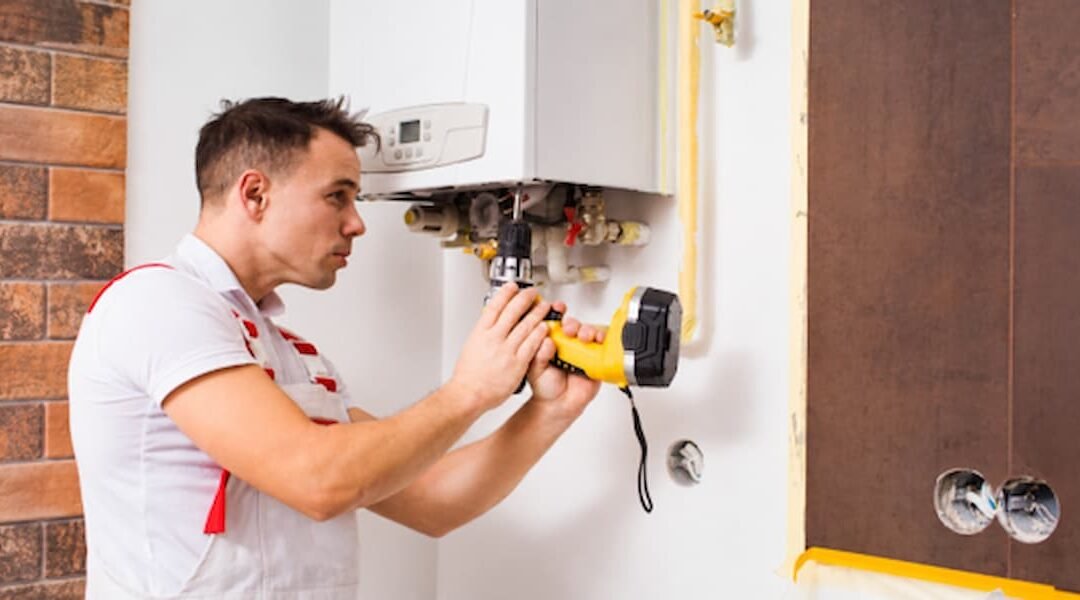
A reliable supply of hot water is something most homeowners notice only when it suddenly disappears. A cold shower, slow recovery after several people bathe, or water collecting around the tank can quickly turn an ordinary day into a plumbing problem.
Choosing the right water heater is not simply about replacing an old tank with a new one. The fuel source, household size, hot water demand, available space, plumbing connections, ventilation, electrical capacity, and energy efficiency all matter. A properly selected and professionally installed system can provide dependable hot water while supporting safe and efficient operation.
For homeowners considering electric water heater installation in Setauket or gas water heater installation in Setauket, understanding the differences between the two options is an important first step.
At McIntosh Plumbing & Heating, we approach water heater installation as a practical home improvement rather than simply an equipment replacement. Our goal is to help homeowners understand their options and choose a system that fits the property and daily hot water needs.
Why Water Heater Installation Requires Careful Planning
A water heater may look like a relatively simple appliance, but installation involves several important considerations.
Before recommending a system, we look at how much hot water a household normally uses. A home with one or two occupants may have very different requirements from a larger household where showers, laundry, dishwashing, and other activities often happen close together.
Tank capacity is one consideration, but it is not the only one. The recovery rate and first hour rating can also help determine whether a unit can keep up with demand. The U.S. Department of Energy uses the first hour rating to describe the amount of hot water a storage water heater can provide during an hour beginning with a fully heated tank.
The installation location matters too.
A water heater needs appropriate connections, sufficient working space, and proper safety provisions. Gas equipment also requires appropriate venting and combustion considerations. Electrical models need suitable electrical service and properly installed connections.
We also consider the existing plumbing. Older pipes, shutoff valves, fittings, or connections may need attention before a new unit is installed.
This planning helps prevent a common mistake: buying a water heater based only on its price or tank size without considering whether it is suitable for the property.
Why professional installation matters
Water heaters combine water, heat, electricity or gas, and pressure. That combination deserves careful installation.
A professional installation can help ensure that connections are properly made and that the system is set up according to applicable requirements. Gas systems require particular attention because improper installation or venting can create serious safety concerns.
We believe installation should also include attention to the surrounding area. A new water heater should not simply fit into the existing space. It should be installed with future service and maintenance in mind. That can make a difference years later when components need inspection or replacement.
Electric Water Heater Installation in Setauket
Electric water heaters use electrical resistance heating elements to heat water inside the tank. They are a familiar option for many homes and can be practical when the property does not have a suitable gas connection.
When we discuss electric water heater installation in Setauket, we look beyond the unit itself. The electrical service needs to be appropriate for the selected equipment. The plumbing connections must also be correctly configured. The location should allow reasonable access for service, inspection, and eventual replacement.
What makes electric water heaters appealing?
One advantage is that an electric water heater does not require combustion or a gas venting system. That can make installation practical in certain homes where gas service is unavailable or where the existing layout favors an electric appliance.
Electric water heaters are also available in different configurations and efficiency levels.
Heat pump water heaters are another electric option worth knowing about. Instead of relying only on resistance heating, a heat pump water heater transfers heat from the surrounding air into the water. The Department of Energy notes that heat pump water heaters can use substantially less electricity than conventional electric resistance models when operated in appropriate conditions. This does not mean every home needs a heat pump water heater. Available space, installation conditions, household demand, equipment cost, and other factors should be considered before making that decision.
When might electric be a good fit?
An electric model may make sense when:
- The property does not have natural gas service
- The existing electrical system can support the equipment
- There is no suitable gas venting arrangement
- The homeowner prefers an electric system
- The property is already configured around electric appliances
The right choice depends on the home rather than a one size fits all rule.
For example, a homeowner in Setauket may have a completely different installation situation from someone living in an older property elsewhere in Suffolk County. Existing infrastructure can influence both installation requirements and overall cost.
Gas Water Heater Installation in Setauket
Gas water heaters use a gas burner to heat water. They have been widely used in homes for years and remain an important option for properties with suitable gas service and installation conditions.
When we handle gas water heater installation in Setauket, safety is one of the most important parts of the job.
A gas water heater needs an appropriate gas supply, proper venting, correct clearances, and suitable connections. The installation also needs to meet applicable safety and building requirements.
Why do homeowners choose gas water heaters?
Gas can provide a strong recovery rate, which may be useful for households with significant hot water demand.
For a busy household, this can matter. Imagine several family members showering in the morning while someone is also running the dishwasher. The ability of the system to recover and provide hot water becomes more important than simply knowing the tank size.
Gas water heaters can also be suitable for homes that already have natural gas service and existing infrastructure.
However, gas is not automatically the better choice for every property.
The cost and availability of fuel, existing connections, venting requirements, equipment efficiency, and installation conditions all need to be considered.
The Department of Energy recognizes several different water heater technologies and efficiency measures, including gas storage and gas instantaneous systems.
Gas installation is not a do it yourself project
A gas appliance should be installed by a qualified professional.
There is much more involved than connecting a gas line and turning the unit on. Venting, combustion air, connections, controls, temperature settings, and safety components all deserve attention.
We take the time to evaluate these details because the quality of an installation can influence the safety and performance of the system.
How We Help Choose the Right Water Heater
The biggest question is not always, “Which water heater is best?”
A better question is, “Which water heater is best for this home?”
That distinction matters.
We consider several practical factors before installation.
Household hot water demand
How many people live in the home?
How many showers happen during the busiest part of the day?
Does the household regularly use a washing machine and dishwasher at the same time? These everyday habits can help determine the appropriate equipment.
Available fuel
A property with natural gas service may have options that are not practical for an all electric home.
Likewise, an electric system may be a straightforward solution where gas service is not available.
Installation location
The available space can influence the type and size of equipment that can be installed.
We consider access, connections, service clearance, and the practical layout of the area.
Energy efficiency
Water heating represents a significant portion of residential energy use. The Department of Energy estimates that water heating accounts for about 13 percent of residential energy use and consumer utility costs.
That makes efficiency worth considering when replacing an aging unit.
However, the most efficient model on paper is not necessarily the right choice for every property. Equipment should match actual household demand and installation conditions.
Long term needs
A water heater is not something most homeowners want to replace every few years.
We therefore encourage homeowners to consider future needs as well as current ones. A household may grow, a bathroom may be renovated, or hot water demand may change.
Thinking ahead can help avoid choosing a system that becomes undersized later.
When Is It Time to Replace a Water Heater?
Water heaters do not always fail without warning.
Sometimes the signs are gradual.
You may notice that the water does not stay hot for as long as it once did. The system may take longer to recover after use. You might hear unusual popping or rumbling sounds from the tank. Rust colored water, visible corrosion, leaking, or repeated performance problems can also signal that the equipment deserves professional attention.
A leak around the tank should never be ignored.
It is important to distinguish between a repairable connection issue and a tank that has developed a leak. Once the storage tank itself has failed, replacement is generally the practical solution.
Age is another consideration, but age alone does not determine whether replacement is necessary. The condition, performance, safety, efficiency, and repair history of the equipment should all be considered.
For homeowners in Setauket, early planning can also make replacement less stressful. Waiting until a water heater fails completely may leave a household scrambling for hot water when a planned replacement would have been easier.
Local homes have different plumbing needs
We serve homeowners across Suffolk County, and every property has its own characteristics.
Our service area includes communities such as Port Jefferson, Smithtown, St. James, Stony Brook, Mt. Sinai, Miller Place, Fort Salonga, Kings Park, Lake Grove, Selden, Centereach, Nesconset, Manorville, Moriches, Patchogue, Holtsville, and Holbrook.
Further east, homeowners in East Hampton, South Hampton, and West Hampton also have properties with different layouts, ages, plumbing configurations, and hot water requirements.
That is why we prefer an individual assessment instead of recommending the same water heater to every customer.
A water heater is part of the whole plumbing system
One thing homeowners sometimes overlook is the relationship between the water heater and the rest of the plumbing system.
Water pressure, pipe condition, shutoff valves, temperature settings, expansion control, drainage, and connection quality can all influence how the installation performs.
If an older system has worn components, replacing the water heater without addressing an obvious plumbing problem may not provide the best long term result.
Our approach is to look at the installation as a complete system.
Frequently Asked Questions
1. How do I know whether I need an electric or gas water heater?
The answer depends on your home’s existing fuel supply, electrical service, plumbing layout, hot water demand, available space, and installation requirements. We can assess these factors and explain which options are practical for the property.
2. Is an electric water heater more efficient than a gas water heater?
Efficiency depends on the specific equipment and technology. Conventional electric resistance units and modern heat pump water heaters operate differently. Gas systems also vary in efficiency. The best comparison should consider the actual equipment, fuel costs, household demand, and installation conditions.
3. How long does water heater installation take?
Installation time varies according to the equipment, existing connections, location, required modifications, and site conditions. A straightforward replacement can be much simpler than an installation that requires new connections or changes to the existing setup.
4. Should I replace my water heater before it fails?
Planning replacement before complete failure can be a smart choice when a system is aging, showing signs of deterioration, or becoming unreliable. It gives homeowners time to compare options instead of making a rushed decision during a plumbing emergency.
5. Can you install both gas and electric water heaters?
Yes. We provide water heater installation services and work with different equipment configurations. Our team can evaluate the property’s existing setup and discuss the practical options based on hot water demand and installation requirements.
Final Thoughts: Start With the Home, Not the Water Heater
A water heater should fit the home, not the other way around.
For some homeowners, an electric system may be the practical choice. For others, gas may make more sense. In some cases, a newer high-efficiency technology may be worth considering.
The important thing is to look at the complete picture before choosing equipment.
For homeowners researching electric water heater installation or gas water heater installation in Setauket, we recommend starting with a professional assessment. The right installation should provide dependable hot water, appropriate safety measures, efficient operation, and a setup that makes sense for the property.
McIntosh Plumbing & Heating has served Suffolk County since 1991 and provides plumbing, heating, cooling, gas services, and water heater installation for residential and commercial properties.
When hot water is a daily necessity, the installation deserves more than a quick replacement. It deserves careful planning, quality equipment, and skilled workmanship.
A good water heater installation should simply work when you need it.