
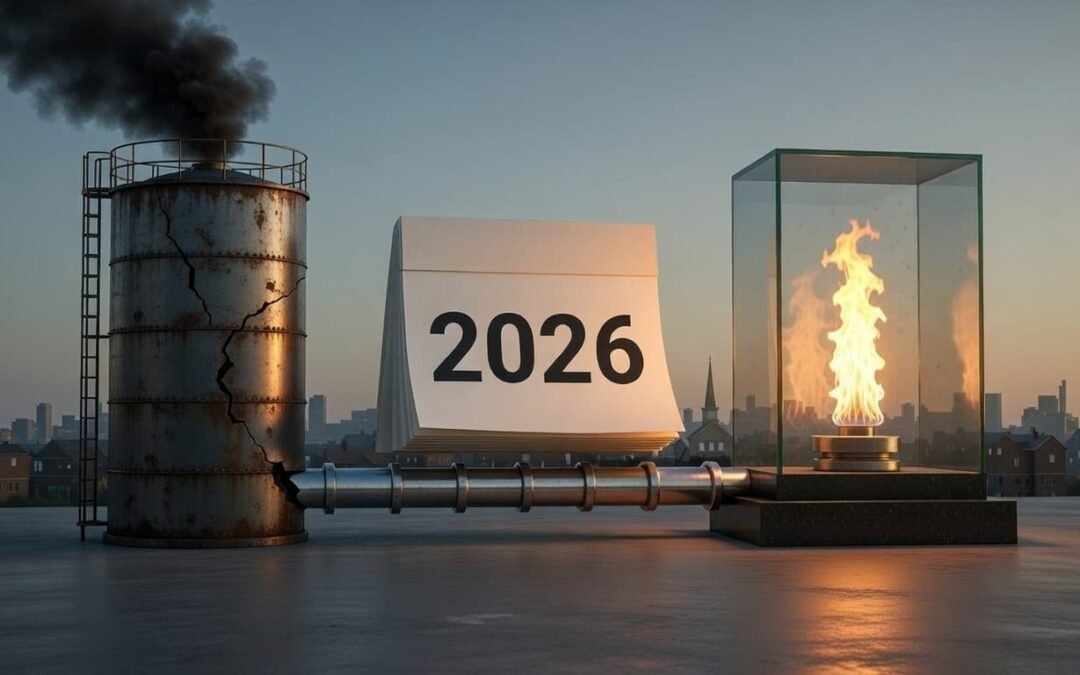
For many homeowners across Suffolk County, the way we heat our homes has not changed in decades. Oil tanks sit quietly in basements or buried in yards from Setauket to Patchogue. Oil burners fire up every winter in Smithtown, St. James, and East Hampton. But 2026 marks a major turning point.
2026 is the last year for free gas line installations on Long Island. After that, homeowners who wait could be responsible for thousands of dollars in connection costs beginning in 2027. If you have been considering a gas conversion, the time to act is now.
At McIntosh Plumbing and Heating, we have been serving Suffolk County since 1991. We have seen energy costs rise, heating systems evolve, and homeowner priorities shift toward efficiency and long-term savings. Right now, we are advising our customers across Port Jefferson, Stony Brook, Mt. Sinai, Miller Place, and beyond to seriously consider making the switch from oil to natural gas before this opportunity expires.
Below is everything you need to know.
Table of Contents
2026 Deadline for Free Gas Line Installations
For years, utility providers have offered free gas line installations in many Long Island neighborhoods as part of infrastructure expansion. That means if gas is available on your street, the cost to bring the line from the main into your home has often been covered.
That program is scheduled to end in 2026.
Once the deadline passes, homeowners in areas like Kings Park, Lake Grove, Selden, Centereach, and Nesconset may face connection fees that can significantly increase the overall cost of conversion. In some cases, that could mean several thousand dollars in added expense just to get the gas line to your home.
Right now, the financial advantage is clear. Convert before the deadline and potentially avoid those future charges. Wait until 2027, and you may lose access to that benefit entirely.
We are already seeing an increase in calls from homeowners in Manorville, Moriches, and Holbrook who want to secure their spot before the end of 2026. Utility schedules can fill up quickly, especially as the deadline approaches.
The earlier you begin the process, the smoother it will be.
The Urgency to Convert Before Potential Costs Begin in 2027
Home improvement decisions often get pushed to the next season. We understand that. But this situation is different.
If you delay your oil-to-gas conversion until 2027 or later, you could face:
- New gas line installation fees
- Increased equipment and labor costs
- Higher oil prices during winter months
- Limited contractor availability due to high demand
Homeowners in Fort Salonga, Stony Brook, and West Hampton have already started planning ahead to avoid the last-minute rush. Once 2026 draws to a close, demand will likely spike across Suffolk County, including Southampton and East Hampton, where many properties rely heavily on oil heat.
Making the switch now gives you time to plan, budget, and schedule the project on your terms rather than under pressure.
The Benefits of Switching From Oil to Gas
When we talk with homeowners in Setauket or Port Jefferson about switching from oil to gas, the conversation usually starts with cost. But the benefits go far beyond monthly savings.
Lower Operating Costs
Natural gas has historically been more stable in pricing compared to heating oil. Oil prices can fluctuate dramatically during colder months. Gas tends to offer more predictable billing, which makes household budgeting easier.
Higher Energy Efficiency
Modern high-efficiency gas boilers and furnaces deliver impressive performance. When properly installed and maintained, they can reduce energy consumption and improve overall comfort.
Cleaner Burning Fuel
Gas burns cleaner than oil. That means:
- Fewer emissions
- No soot buildup
- Reduced maintenance needs
Many homeowners in Mt. Sinai, Miller Place, and Kings Park appreciate the cleaner operation, especially in finished basements or utility areas.
No More Oil Deliveries
One of the most practical advantages is eliminating oil deliveries. No more monitoring tank levels. No more emergency calls for fuel in the middle of winter. Gas is delivered directly through the utility line.
Increased Property Value
Homes with natural gas heating systems are often more attractive to buyers. In competitive markets like St. James, Smithtown, and Patchogue, that can be a real advantage.
Oil Tank Abandonment and Removal: What Homeowners Must Know
Converting to gas also means addressing your existing oil tank. This is a critical step that should never be overlooked.
Oil tanks can be located in basements, crawl spaces, garages, or underground. Over time, tanks can corrode and leak, creating environmental risks and potential property damage.
Proper oil tank abandonment or removal protects you from future liability.
For aboveground tanks, removal is usually straightforward. For underground tanks, the process can be more involved and may require soil inspection depending on local regulations.
Homeowners in Holtsville, Centereach, and Manorville often ask whether abandonment is enough or full removal is necessary. The answer depends on the tank condition, location, and future property plans.
We guide homeowners through every step to ensure compliance and peace of mind.
Why You Need a Task 87 Certified Professional
On Long Island, gas work is highly regulated. That is where Task 87 certification becomes essential.
A Task 87 certified contractor is qualified to perform gas installations and ensure that all work meets utility and code requirements. This certification is not optional. It is required for legal and safe gas system connections.
When homeowners in Nesconset, Moriches, or East Hampton call us about gas conversions, one of their first concerns is safety. That is exactly why certification matters.
Working with a properly licensed and insured professional ensures:
- Safe installation
- Proper inspections
- Code compliance
- Reliable long-term performance
Gas is not an area to cut corners. Proper planning and expert installation protect your home and family.
Why Act Now Instead of Waiting
We have served Suffolk County for over three decades. We have seen what happens when homeowners wait too long to upgrade aging systems.
Oil burners fail during the coldest weeks of winter. Tanks begin to leak. Emergency replacements cost more than planned upgrades.
If you live in Setauket, Port Jefferson, Smithtown, St. James, Stony Brook, Mt. Sinai, Miller Place, Fort Salonga, Kings Park, Lake Grove, Selden, Centereach, Nesconset, Manorville, Moriches, Patchogue, Holtsville, Holbrook, East Hampton, South Hampton, or West Hampton, NY, this is the moment to evaluate your heating system.
2026 is the final year for free gas line installations.
2027 may bring added costs.
The window is closing.
Frequently Asked Questions
1. How long does an oil-to-gas conversion take?
Most residential conversions can be completed within a few days once permits and utility approvals are secured. Planning ahead ensures minimal disruption.
2. Is switching from oil to gas expensive?
With the current free gas line installation program, the upfront investment is significantly reduced. Waiting until 2027 could increase total costs.
3. What happens to my old oil tank?
It must be properly abandoned or removed according to local codes. We evaluate each situation individually to determine the safest approach.
4. Will I notice a difference in heating performance?
Yes. Modern gas systems provide consistent, even heating with improved efficiency compared to older oil systems.
5. Do I need special permits?
Yes. Gas work requires permits and must be completed by a licensed and Task 87 certified professional to meet Long Island regulations.
Request Your Estimate Before the 2026 Deadline
We believe in honest advice and quality workmanship. For over 30 years, we have helped homeowners throughout Suffolk County make informed heating decisions.
If you have been thinking about a gas conversion, now is the time to act. Do not wait until installation fees potentially increase in 2027.
Request your estimate today.
Schedule your oil-to-gas conversion consultation.
Secure your free gas line installation before the 2026 deadline.
Call or text us to discuss your options. Let us evaluate your current system, explain the process, and help you make the right choice for your home.
The opportunity is here. The deadline is approaching. Let us help you make the switch with confidence.